

Lidar Testing Product
From Point
Clouds to Proven
Perception.
End-to-end LIDAR validation measures range, accuracy, and object-detection performance in real-world conditions. LIDAR is vital for ADAS and autonomy; its performance must be proven. SpeedEdge offers a repeatable validation framework.
02 Product intro
Prove Sensor Performance.
Don't Assume It.
A validation programme measures sensor accuracy in distance and objects. SpeedEdge's LIDAR Testing offers a structured framework for characterizing performance and producing actionable results.
-
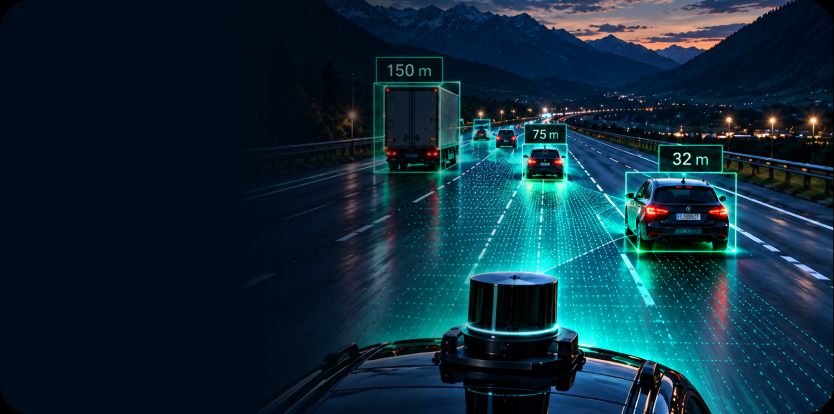 01

Range &
AccuracyMeasure detection distance, distance error and angular accuracy against calibrated ground truth.
-
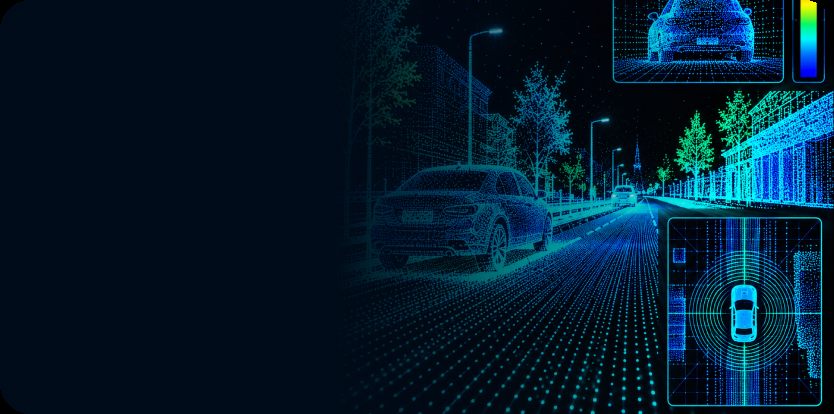 02
Point-Cloud
ValidationAnalyse resolution, point density, noise and drop-out across the sensor's field of view.
-
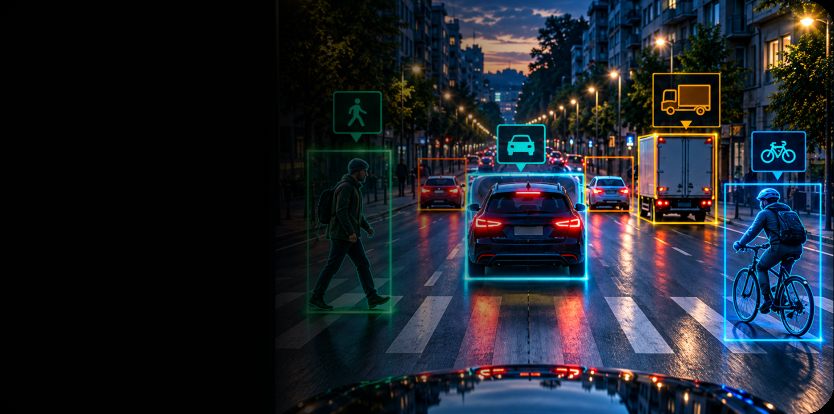 03
Object
DetectionEvaluate detection, classification and tracking performance for relevant road users.
-
 04
Environmental
TestingEvaluate sensor robustness under challenging environmental conditions.
-
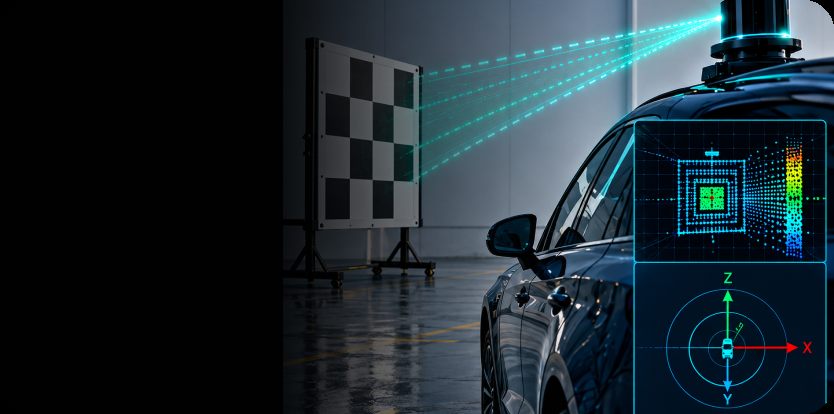 05
Calibration &
AlignmentVerify intrinsic/extrinsic calibration and mounting alignment.
-
 06
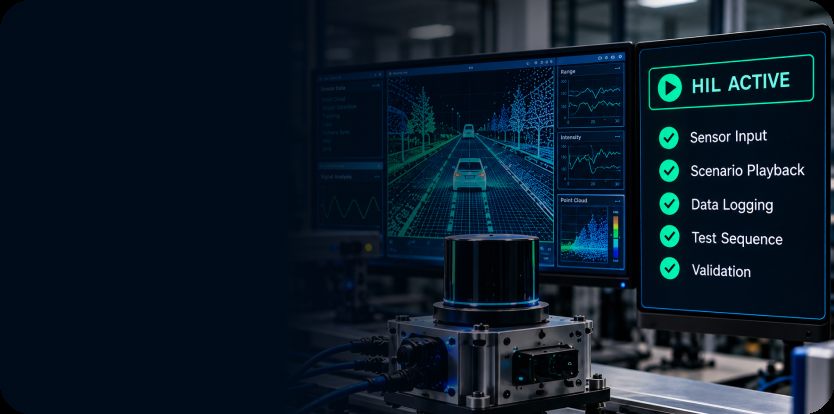
HIL /
Bench TestingRun automated hardware-in-the-loop and bench sequences for repeatable regression testing.

03 The LIDAR testing workflow
From Sensing to
Traceable Validation.
-
01. Configure

Define the sensor setup, test environment and acceptance criteria.
-
02. Calibrate

Establish the reference configuration and verify sensor alignment.
-
03. Capture

Collect LIDAR data across defined test scenarios.
-
04. Measure

Calculate the relevant sensor performance metrics.
-
05. Validate

Compare results against defined requirements and targets.
-
06. Report

Turn test results into traceable engineering evidence.
04 What we measure
One Sensor. Multiple
Performance Dimensions.
LIDAR performance needs to be evaluated across multiple measurable characteristics.
-

Range
Measure maximum detection distance against target reflectivity.
-
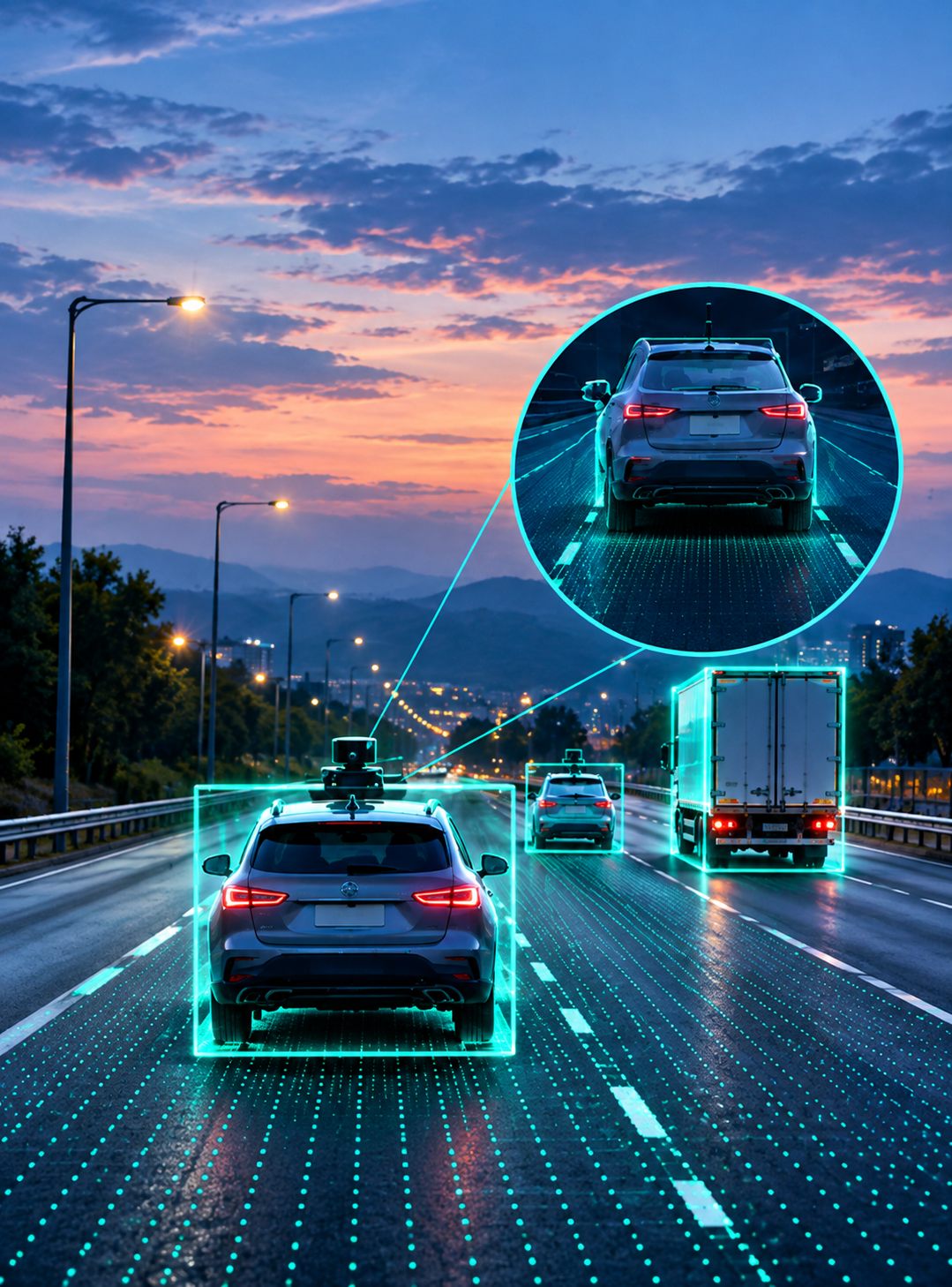
Accuracy
Measure distance and angular error against calibrated ground truth.
-

Density
Evaluate point-cloud resolution and points-per-object.
-

Detection
Measure object detection and classification performance.
05 Lean-aware control
Built Around the Dynamics
of a Leaning Vehicle.
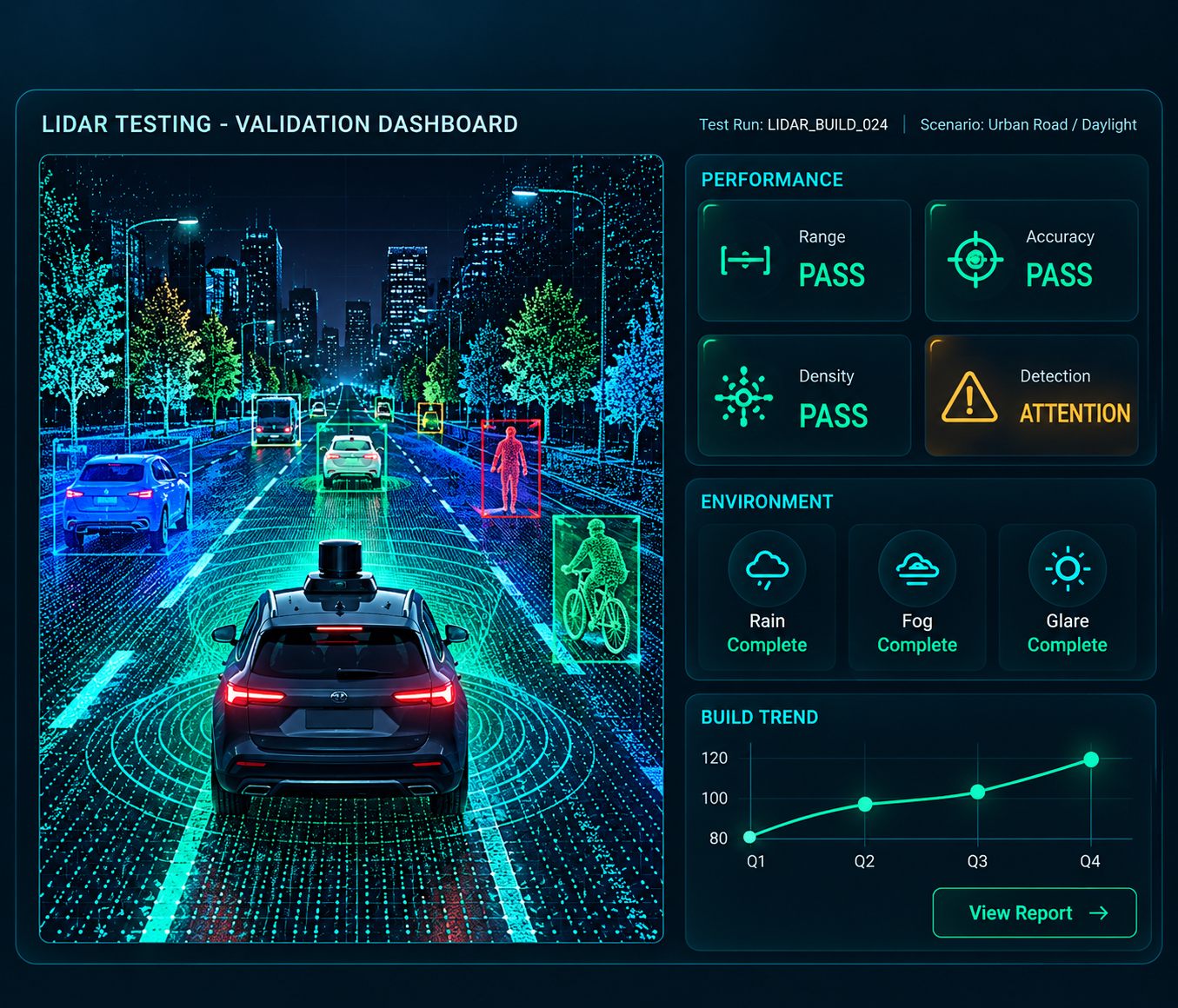
LIDAR Testing transforms sensor output into quantified performance evidence through a structured validation process.
-
Range & Accuracy
Measure detection distance, distance error and angular accuracy against calibrated ground truth.
-
Point-Cloud Quality
Resolution • Point Density • Noise • Drop-Out
-
Object Perception
Validate detection, classification and tracking performance for:
Cars • Pedestrians • Cyclists -
Environmental Robustness
Test sensor behaviour under:
Rain • Fog • Dust • Glare • Temperature Extremes -
Calibration
Verify sensor configuration and mounting alignment.

Let’s Build Mission-Critical
Engineering Together.
Partner with SpeedEdge for mission-critical engineering, compliance and validation.